
Skip to content

[01] What we build

Four engines.

The same four problems come up everywhere. We build each one on your data. Never a template with your logo on it.

Two shop owners outside their business

Acquisition

We find them. You get them warm.

Replaces
Prospecting by hand. A CRM full of dead rows.
Plugs into
Your CRM, your inbox, LinkedIn, WhatsApp.

Qualified conversations. Not a list you dread opening.

Concretely, how

  • Collected off the webscraping

    We go and get prospects where they are already listed: directories, marketplaces, public sites. Every day, with nobody clicking.

  • Qualified before you see it

    Every lead is checked and filled in before it reaches you. You open a list of people to call, not a list to sort.
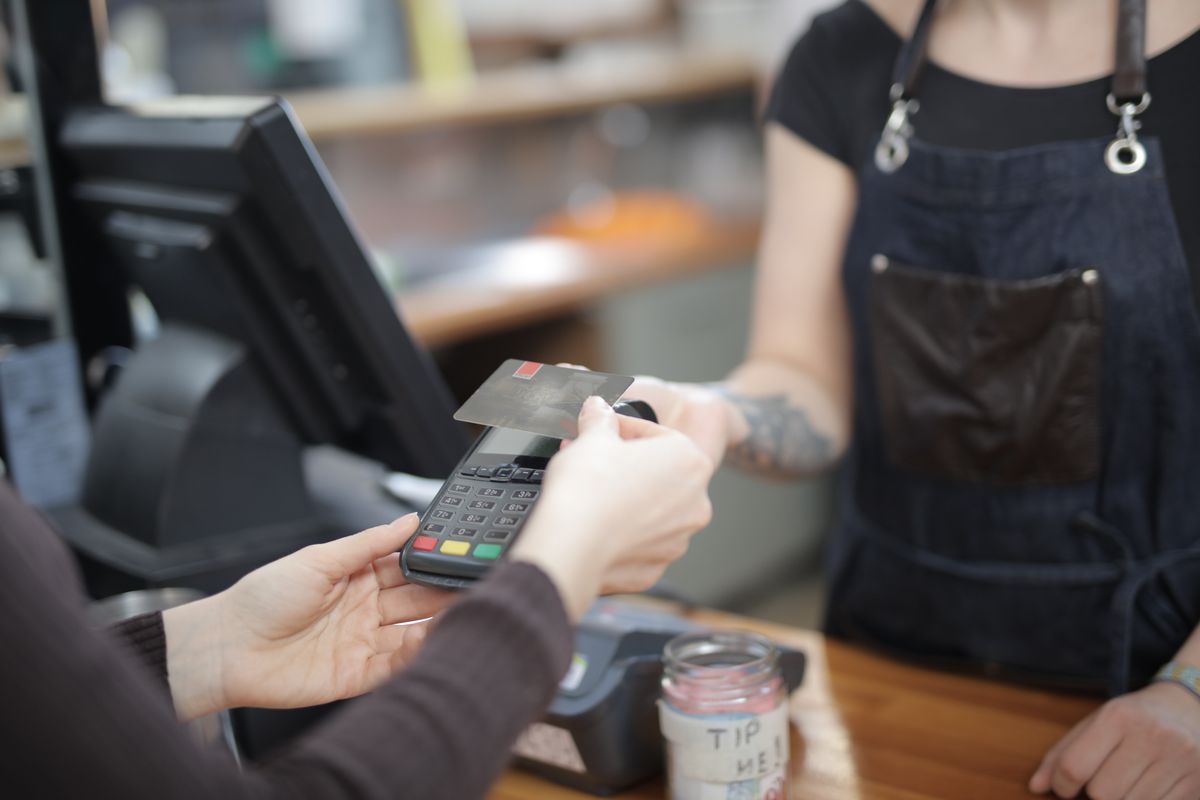

A shopkeeper serving a customer at the counter

Sales

Your answers, your tone. Follow-ups that go out.

Replaces
Forgotten follow-ups. Quotes retyped by hand.
Plugs into
WhatsApp, email, your quoting tool, your calendar.

Nobody waits. Nothing falls between two tools.

Concretely, how

  • A model trained on your tonefine-tuning

    We train the model on your own past exchanges. It writes the way your company writes, not like a polite robot.

  • Follow-ups that leave on their own

    The quote sent on Tuesday is chased on Friday, with nobody having to remember it.

A person with a headset taking a call

Customer service

The routine handled. The rest reaches you with its context.

Replaces
The same forty questions answered by hand, every week.
Plugs into
WhatsApp, your helpdesk, your order and delivery data.

Your team only sees what needs a person.

Concretely, how

  • Answers taken from your documentsRAG

    The model reads your product sheets, your contracts and your past threads, and answers from those. Not from whatever it read elsewhere.

  • The AI calls your own softwaretools · API

    It looks up an order, opens a ticket, updates stock. It acts, instead of pointing the customer at someone else.

A worker scanning stock in a storeroom

Operations

Legacy software, driven the way a person would.

Replaces
Copy-paste between the ERP and the spreadsheet.
Plugs into
Legacy software, closed portals, bank dashboards. Through the interface itself.

The work gets done. Nobody does it.

Concretely, how

  • Screen drivingautomatisation d'interface

    When a piece of software has no way in, we click through it like a person: log in, fill the fields, check, write down what was done.

  • Steps that chain themselves

    What moved from one tool to the next by hand now chains itself, and whatever jams is raised instead of lost.

Which one do you need?

We reply on WhatsApp, usually within the hour.